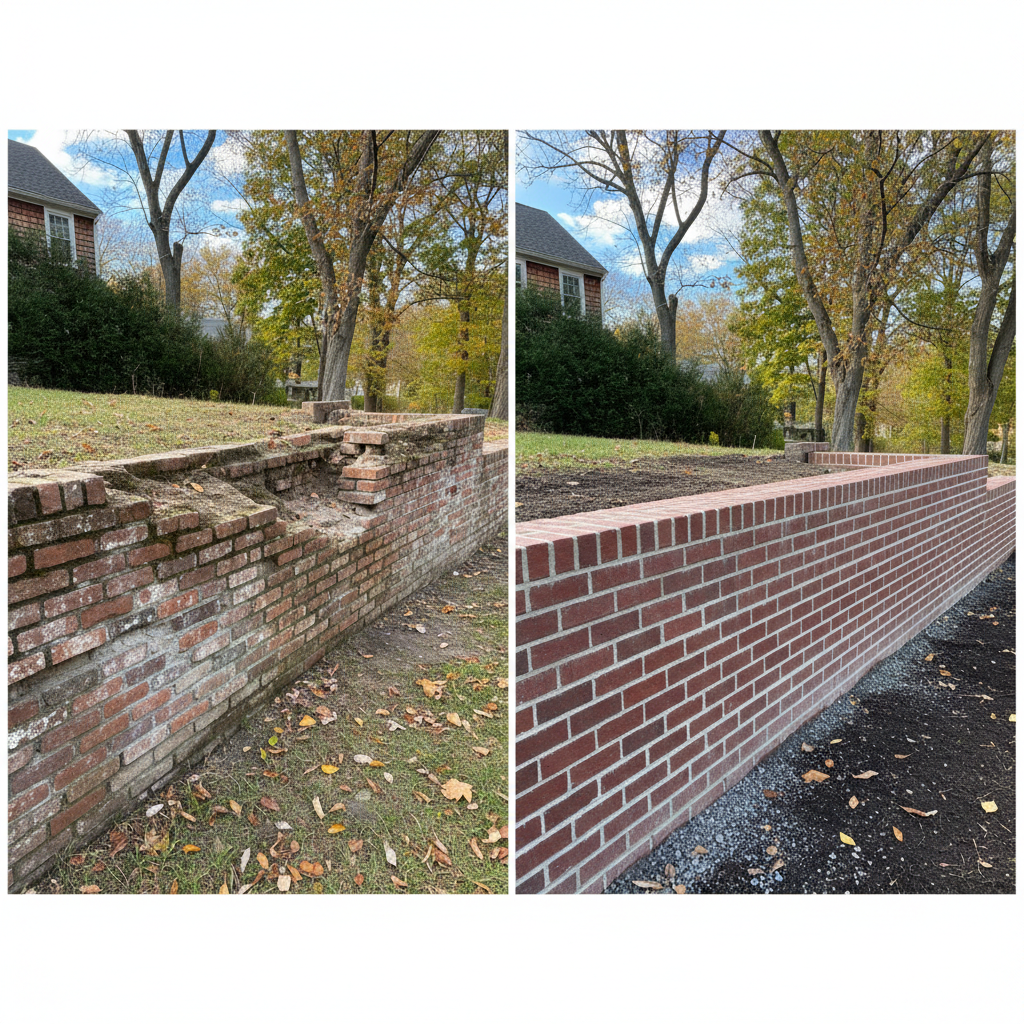
So, you're thinking about adding some brick to your place here in Brookline, right? Maybe a fresh facade, a sturdy retaining wall, or even just sprucing up an old foundation. Good call, brick's a classic for a reason – it's tough and looks great. But before you get lost in color swatches, you really need to get your head around the two main ways we 'lay' brick these days: full-thickness brick masonry and brick veneer. They're definitely not the same thing, and understanding the difference now will save you a ton of headaches and cash later on.
Full-Thickness Brick Masonry: The Way They Used to Do It
When most folks picture brick, they're probably imagining full-thickness masonry. This is the traditional method, the old-school approach, where you've got solid bricks, usually about 3.5 to 4 inches thick, stacked up with mortar between them. These bricks aren't just for show; they're structural. They hold up their own weight and often the weight of everything above them. Think about those gorgeous, historic homes over in the Cottage Farm area – that's full brick construction.
The Good Stuff:
- Durability and Strength: This is the heavyweight champ, no question. Full brick walls are incredibly strong, can take a beating, and if they're built right, they'll easily last for centuries. They're not just a pretty face; they're literally part of the building's skeleton.
- Thermal Mass: All that solid material really helps keep indoor temperatures steady. It soaks up heat during the day and slowly lets it out at night, which is a huge bonus with our wild New England weather swings.
- Authenticity and Value: You can't fake this look. Full brick has a depth and character that's just unmistakable. It adds serious value and curb appeal, especially in a place like Brookline where traditional architecture is so highly valued.
- Repairability: If a brick gets damaged, it's usually pretty straightforward to cut it out and put a new one in, especially if you know your tuckpointing techniques.
The Not-So-Good Stuff:
- Cost: This is almost always the more expensive choice, plain and simple. You're paying for more material, more labor, and often a beefier foundation to support all that weight.
- Weight: Full brick is heavy. Like, really heavy. If you're adding it to an existing structure, you absolutely have to make sure your foundation can handle the extra load. Sometimes, you'll need to strengthen the foundation, which, of course, adds to the cost and complexity.
- Installation Time: It just takes longer to put up. Each brick goes in individually, and it's a careful, deliberate process.
Brick Veneer: The Newer Option
Brick veneer, sometimes called thin brick or brick siding, is a totally different animal. Imagine a thin slice of brick, usually about 1/2 to 1 inch thick, that gets applied to a structural wall (like wood framing or concrete block) using mortar or an adhesive. It's decorative, not structural. Basically, it's a brick skin over another material.
The Good Stuff:
- Cost-Effective: Generally speaking, veneer is cheaper than full brick. Less material, less labor, and no need for a heavy-duty foundation to support it.
- Lighter Weight: Since it's so much lighter, you can often put it on existing structures without needing huge foundation changes. This makes it a popular pick for remodels or when you want that brick look on a building that wasn't originally brick.
- Faster Installation: It goes up quicker than full brick, which can definitely save you on labor costs.
- Versatility: You can stick brick veneer on almost any structurally sound surface, giving you a lot more design freedom.
The Not-So-Good Stuff:
- Durability: While it's durable, it's just not as tough as full brick. It's more likely to get dinged or damaged because it's so much thinner.
- Maintenance: The real trick here is getting the installation right, especially a good vapor barrier behind it. If water sneaks behind the veneer and can't get out, you're looking at potential rot or mold issues in your structural wall. Flashing and weep holes? Absolutely critical.
- Appearance: From a distance, it can look fantastic. Up close, especially around corners or openings, it sometimes lacks the true depth and substantial feel of full brick.
- Repair: Fixing veneer can be a bit trickier. If the adhesive bond fails or a big section gets damaged, it might be more involved than just swapping out a single full brick.
So, Which One for Your Brookline Project?
Look, if you're building new or doing a big addition and your budget allows, I'm almost always going to push for full-thickness brick masonry. Especially in a place like Brookline, where homes are built to last and property values are high, investing in full brick really pays off in longevity, authenticity, and resale value. It's just a better product when it comes to strength and thermal performance, which matters a lot with our cold winters and humid summers, doesn't it?
However, that's not always practical. If you're renovating an existing home, want to add a brick accent wall inside, or you're on a tighter budget, brick veneer is a perfectly good and attractive option. Just make sure your contractor (like us at Absolute Masonry Inc) really knows what they're doing with the installation, especially when it comes to proper waterproofing and drainage. You don't want to cut corners there, or you'll definitely regret it later.
Ultimately, it all comes down to your specific project, your budget, and what you care about most. Both have their place, but knowing the pros and cons helps you make a smart decision for your home.