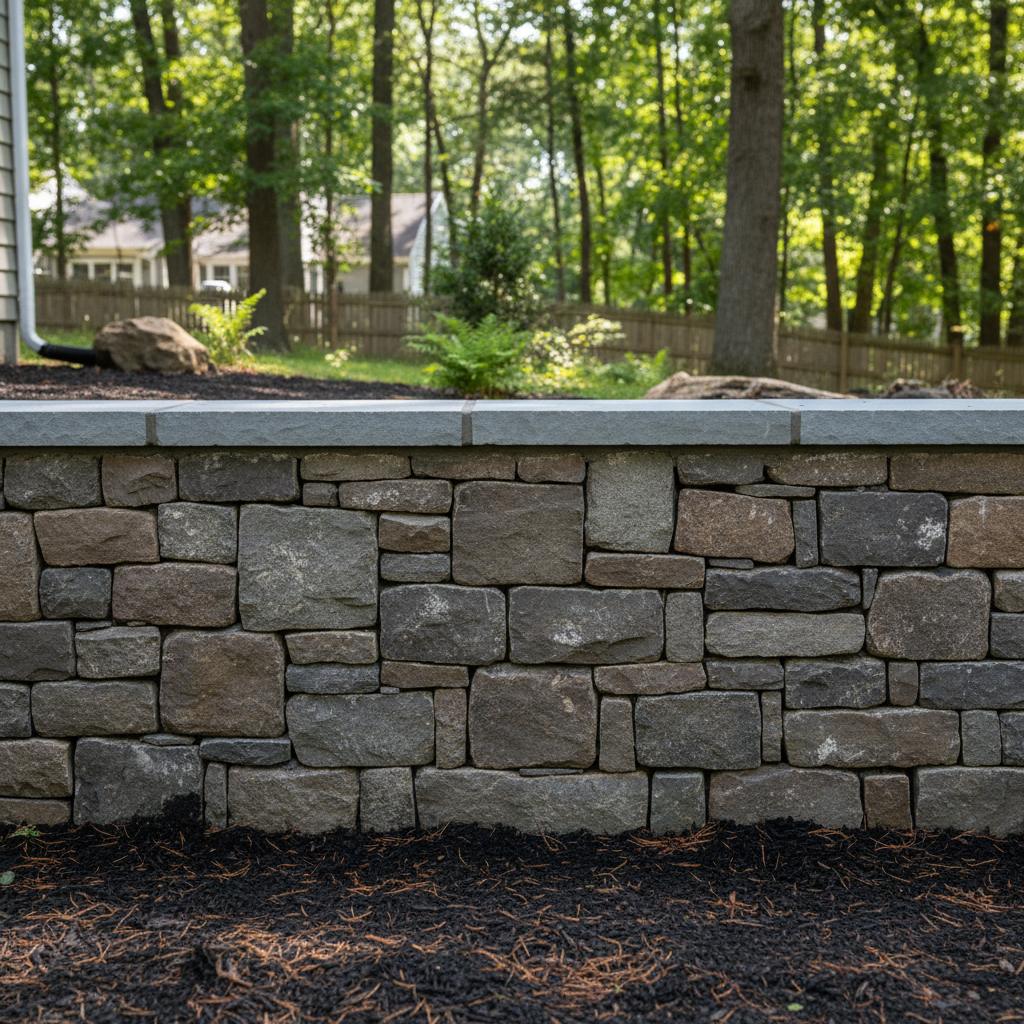
So, you're eyeing that old, crumbly stone wall in your yard, or maybe you've got a brilliant idea for a new stone planter box. Stone masonry looks pretty straightforward, doesn't it? Just stack some rocks, glue 'em together, and call it a day. Well, not exactly. As someone who's been doing this kind of work in Brookline for years, I can tell you there's a huge difference between a quick patch and something that will actually stand up to our brutal New England winters.
Before You Start: Planning and Prep
First things first, you need a plan. What exactly are you trying to build or fix? A small, decorative border is a whole different beast than a retaining wall holding back a hillside. Really think about its purpose, how big it'll be, and the weight it needs to support. For anything structural, like a retaining wall over two feet tall, or anything that's part of your home's foundation, you're definitely entering professional territory. Honestly, I've seen way too many DIY retaining walls collapse after a heavy spring thaw, ending up causing more damage than they ever prevented.
Next up, materials. Are you going with natural stone, cultured stone, or river rock? Each one has its own quirks and needs different techniques. You'll also need mortar, and not just any old bag from the hardware store, believe me. The right mortar mix is super important for durability, especially with all the freezing and thawing we get here in Massachusetts. If you're trying to match existing stone, take a sample to your supplier. Getting that color and texture just right is key to a repair that blends in perfectly.
Tools are another big consideration. For tiny jobs, you might get by with a trowel, a hammer, a chisel, and a level. But for anything larger, you're looking at a mixer, a grinder, a stone hammer, and a bunch more. Renting tools can really add up fast, so make sure to factor that into your budget.
During the Project: DIY vs. Pro
Alright, let's talk about what you can realistically tackle yourself. Small, non-structural repairs are often well within a homeowner's reach. Things like:
- Patching little gaps in a garden wall where mortar has fallen out.
- Replacing a single loose stone in a decorative feature that isn't load-bearing.
- Building a small, low-level decorative garden border.
- Re-pointing a few small sections of a stone patio that aren't critical for its stability.
For these kinds of tasks, take your time. Clean out any loose debris really thoroughly. Mix your mortar correctly – it shouldn't be too wet or too dry. Apply it carefully, making sure you get good adhesion. And always, always use a level. Nothing screams "I did this myself" like a crooked stone wall.
However, there's a point where you really, truly need to call in the pros. This isn't just about skill; it's about safety and how long the work will actually last. Here's when you should absolutely pick up the phone:
- Retaining Walls: If it's holding back earth, especially near your house or a public area, it needs to be engineered correctly. The soil in places like Chestnut Hill can be quite dense, and a poorly built wall just won't stand a chance.
- Foundation Repairs: Any work on your home's foundation is crucial. This is never a DIY job. Never.
- Chimney Repairs: These are complex, often high up, and involve fire safety. Seriously, leave it to the experts.
- Large-Scale Projects: Building a brand new stone patio, a full outdoor kitchen, or extensive stone veneer on your home. These demand specialized knowledge, equipment, and experience to guarantee proper drainage, structural integrity, and a professional finish.
- Water Intrusion Issues: If water is coming through your stone, that's often a symptom of a much bigger problem that needs a professional diagnosis and repair.
When you're dealing with anything that could impact your home's structure, safety, or value, that's when you call Absolute Masonry Inc. We've got the experience and the right tools to get it done right the first time.
After the Project: Maintenance and Care
Whether you did it yourself or hired a pro, stone masonry needs a little TLC to last. Keep an eye on those mortar joints. If you spot cracks or crumbling, deal with them sooner rather than later. Water is masonry's biggest enemy, especially when it freezes and expands, so always make sure drainage is good around your stone work.
Clean stone occasionally with a soft brush and water. Avoid harsh chemicals unless you're sure they're safe for your specific stone type. If you notice any efflorescence (those white powdery deposits), it's usually just mineral salts, but sometimes it can signal a moisture issue. Just keep an eye on it, okay?
Ultimately, stone masonry is an investment in your home. Doing a small, decorative project yourself can be incredibly satisfying. But knowing when to bring in a professional for the bigger, more critical jobs will save you headaches, money, and potential damage down the road. We're here when you need us.