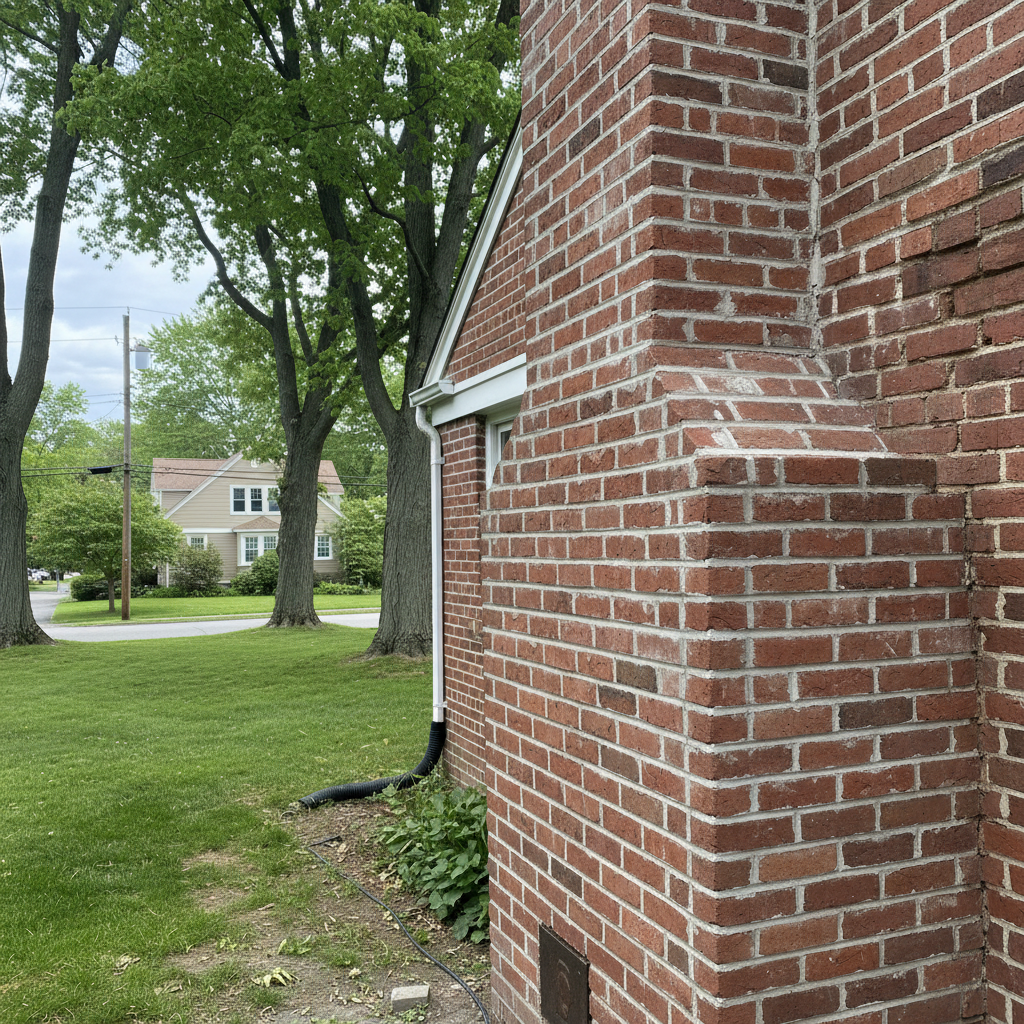
Got brick on your house? Most folks in Brookline do, especially in places like the Fisher Hill neighborhood where those beautiful old brick houses are everywhere. And if you've got brick, well, eventually you're going to need tuckpointing. It's just a fact of life with our New England weather – those mortar joints really take a beating.
But I've seen too many homeowners make some pretty big errors when it comes to this crucial maintenance. And honestly, a bad tuckpointing job isn't just a waste of money; it can actually do more harm than good. So, let's talk about what you should really watch out for.
Mistake #1: Waiting Too Long (or Not Even Knowing When It's Needed)
This is probably the most common one I see. People spot a few cracks, maybe some crumbling mortar, and they think, "Oh, I'll get to that next year." Or worse, they don't even notice it until water starts getting in, or a brick loosens up. See, mortar isn't just there to hold bricks together; it's what we call a sacrificial element. It's designed to fail before the brick does. When it starts to go, it's letting moisture right into your wall system, and that's when you get real problems – spalling bricks, efflorescence, even structural issues over time. Especially with our freeze-thaw cycles here, that little crack becomes a big problem fast, doesn't it?
How do you know it's time? Grab a screwdriver or even a key and try to scrape the mortar joint. If it crumbles easily, or you can pick out pieces, you're past due. You should also look for cracks, gaps, or mortar that's recessed significantly compared to the brick face.
Mistake #2: Hiring the Cheapest Bid
Look, I get it. Everyone wants to save a buck. But tuckpointing is skilled work. It's not just slapping some cement in a joint. When you go with the lowest bid, you're often getting one of two things:
- Inexperienced labor: Guys who don't know the right techniques, don't understand proper mortar mixes, or just rush the job.
- Cutting corners: They might not remove enough old mortar, use the wrong type of new mortar, or skip crucial steps like proper curing.
The wrong mortar mix is a huge one. Old brick homes, especially those built before the 1930s, typically used softer lime-based mortars. If you put a hard, modern Portland cement mortar into those joints, it's like putting a steel beam next to a sponge. The harder mortar won't flex, and when the building moves or expands/contracts, that hard mortar will actually damage the softer, historic bricks around it. I've seen beautiful old brick walls ruined this way. A good contractor knows how to match the original mortar's properties – its hardness, permeability, and even its color.
Mistake #3: Not Asking About Mortar Type & Preparation
This ties right into the last point. Don't just assume your contractor knows or cares about matching the mortar. Ask them directly: "What kind of mortar are you planning to use?" and "How will you prepare the joints?"
They should be talking about removing the old mortar to a consistent depth (usually at least twice the width of the joint), cleaning out all dust and debris, and then using a mortar that's compatible with your existing brick and mortar. They might even talk about testing the existing mortar to get the right blend, which is a great sign. If they just say, "Oh, we use standard mortar," that's a red flag. There's no such thing as 'standard' for every brick house, not really.
Mistake #4: Ignoring the Weather
Tuckpointing isn't a year-round job, especially not here in Massachusetts. Mortar needs specific temperatures to cure properly. If it's too cold (below 40°F or so), the water in the mix can freeze, leading to a weak, crumbly joint. If it's too hot and dry, the mortar can dry out too quickly, also compromising its strength and durability. A good contractor will schedule the work for appropriate weather and take steps to protect the new mortar if conditions are borderline, like misting it with water during dry spells or covering it in cooler temps.
Mistake #5: Not Checking References or Past Work
Anyone can say they're a mason. But you want to see proof. Ask for references, and actually call them. Ask to see examples of their tuckpointing work, especially on older homes. Look at the finished joints: are they consistent in width and depth? Is the color a good match? Is there any mortar smeared on the bricks? A clean, consistent joint is a sign of a professional. If they can't provide references or show you photos, walk away.
At Absolute Masonry Inc., we're proud of the work we do. We understand Brookline's unique building stock and the specific challenges our climate presents. Don't let these common mistakes turn your tuckpointing project into a headache. Do your homework, ask the right questions, and invest in quality work now to save yourself a lot of grief (and money) down the road.